Earth's orbital wobble significantly influenced climate changes during the dinosaur age.
Some researchers argue that Earth's orbital wobble played a crucial role in causing rapid climate shifts during the Late Cretaceous period, leading to alternating humid and arid conditions. Others may contend that other factors were more significant in driving these climate changes, questioning the extent of the wobble's impact.

Increased CO2 levels can lead to cooling in the upper atmosphere.
Some scientists argue that rising CO2 levels contribute to cooling in the upper atmosphere by enhancing heat radiation into space, while others may contend that this phenomenon does not negate the overall warming effects of climate change on the Earth's surface. The implications of this discovery for climate models and policy responses are also contested.

Deoxygenation of Earth's waters poses a significant threat to aquatic ecosystems and climate regulation.
Some scientists argue that the alarming rate of oxygen depletion in water bodies is a critical issue that endangers aquatic life and disrupts climate regulation. Others may contend that while deoxygenation is concerning, its impacts are part of a broader set of environmental challenges that need to be addressed collectively.

The Tethys Ocean significantly influenced the formation of Central Asia's mountains during the dinosaur era.
Some scientists argue that the Tethys Ocean played a crucial role in shaping Central Asia's mountainous landscape, while others believe that climate and mantle processes are more significant in mountain formation. This discovery challenges existing views on geological processes and may lead to a reevaluation of mountain-building theories globally.

Climate change poses a significant threat to the sacred lakes of K’gari.
Some researchers argue that climate change and shifting weather patterns could jeopardize the future of K’gari's sacred lakes, while others may contend that natural historical changes in the environment are the primary factors affecting these lakes. The discovery of ancient sediment suggests that even during periods of heavy rainfall, these lakes have experienced significant changes. This raises questions about the long-term sustainability of these important ecological and cultural sites.

The role of trees in carbon absorption is more significant than previously understood.
Some scientists argue that trees continue to absorb carbon dioxide even after their growth has ceased, challenging previous assumptions about the relationship between photosynthesis and wood production. Others may contend that this finding does not significantly alter the overall understanding of carbon storage in forests or its implications for climate change forecasts.

Geoengineering solutions to climate change may have unintended global weather consequences.
Some researchers argue that geoengineering methods, such as brightening marine clouds, could significantly disrupt global weather patterns, particularly the El Niño cycle. Others believe that these interventions could be beneficial if carefully managed, emphasizing the need for thorough understanding before implementation. The potential for unintended consequences remains a critical point of contention in the climate change discourse.
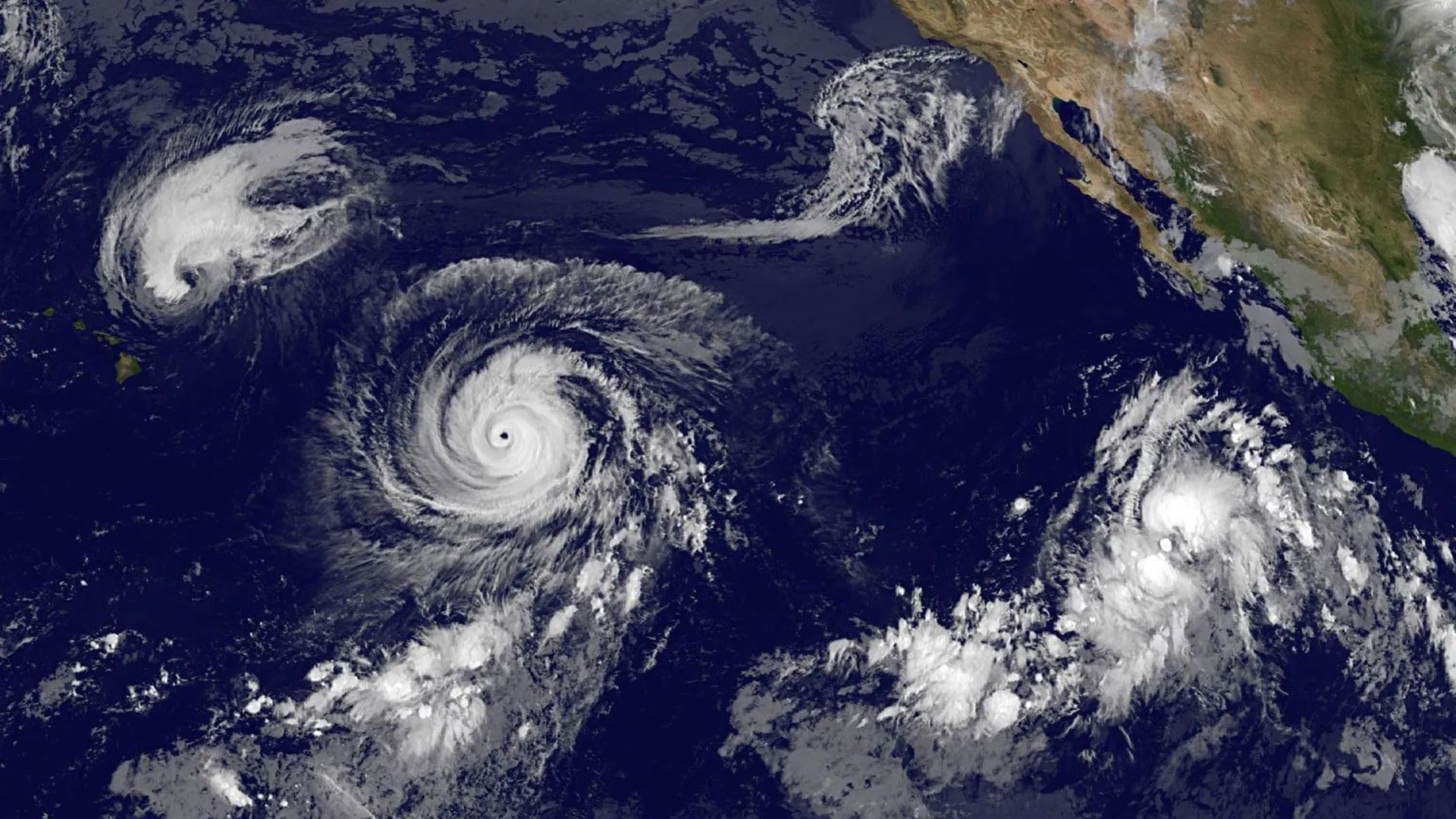
The U.S. government report on climate change is scientifically flawed.
Some climate scientists argue that a recent U.S. government report misinterprets their research on human-caused climate change. Others maintain that the report is a valid assessment of the current scientific understanding and should inform climate policy. The contention centers around the accuracy of the data and conclusions drawn in the report.
Ocean temperatures play a crucial role in preventing global drought.
Some researchers argue that ocean temperature patterns help mitigate the risk of a worldwide drought by creating regional hotspots instead. Others may contend that this perspective oversimplifies the complex factors contributing to drought and agricultural crises globally.
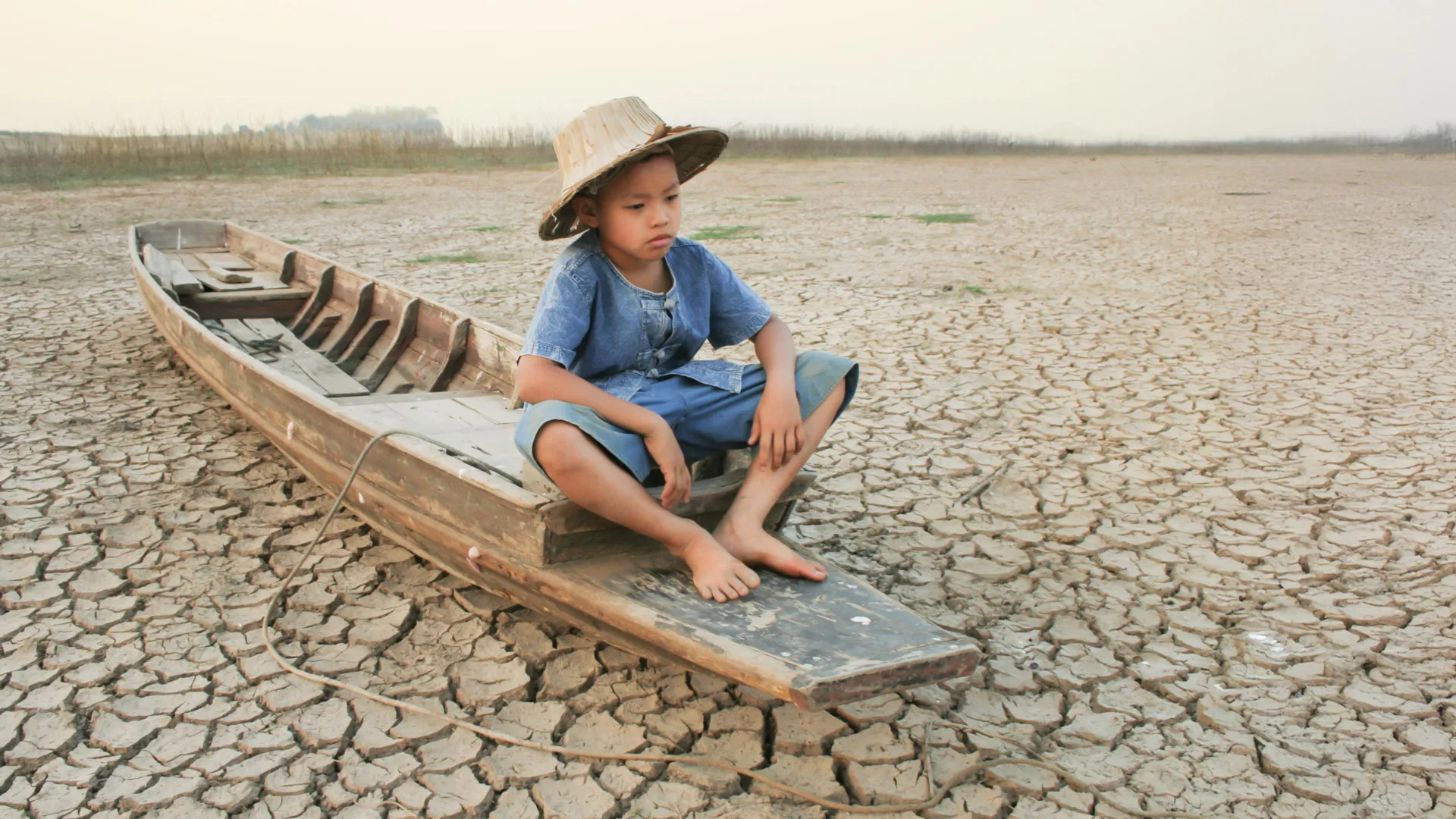
Thawing permafrost can offset carbon emissions through increased rock weathering.
Some scientists argue that the natural process of rock weathering triggered by thawing permafrost can absorb significant amounts of CO2, potentially offsetting greenhouse gas emissions. Others contend that the overall impact of permafrost thawing on climate change remains negative, as it may release more greenhouse gases than it absorbs.
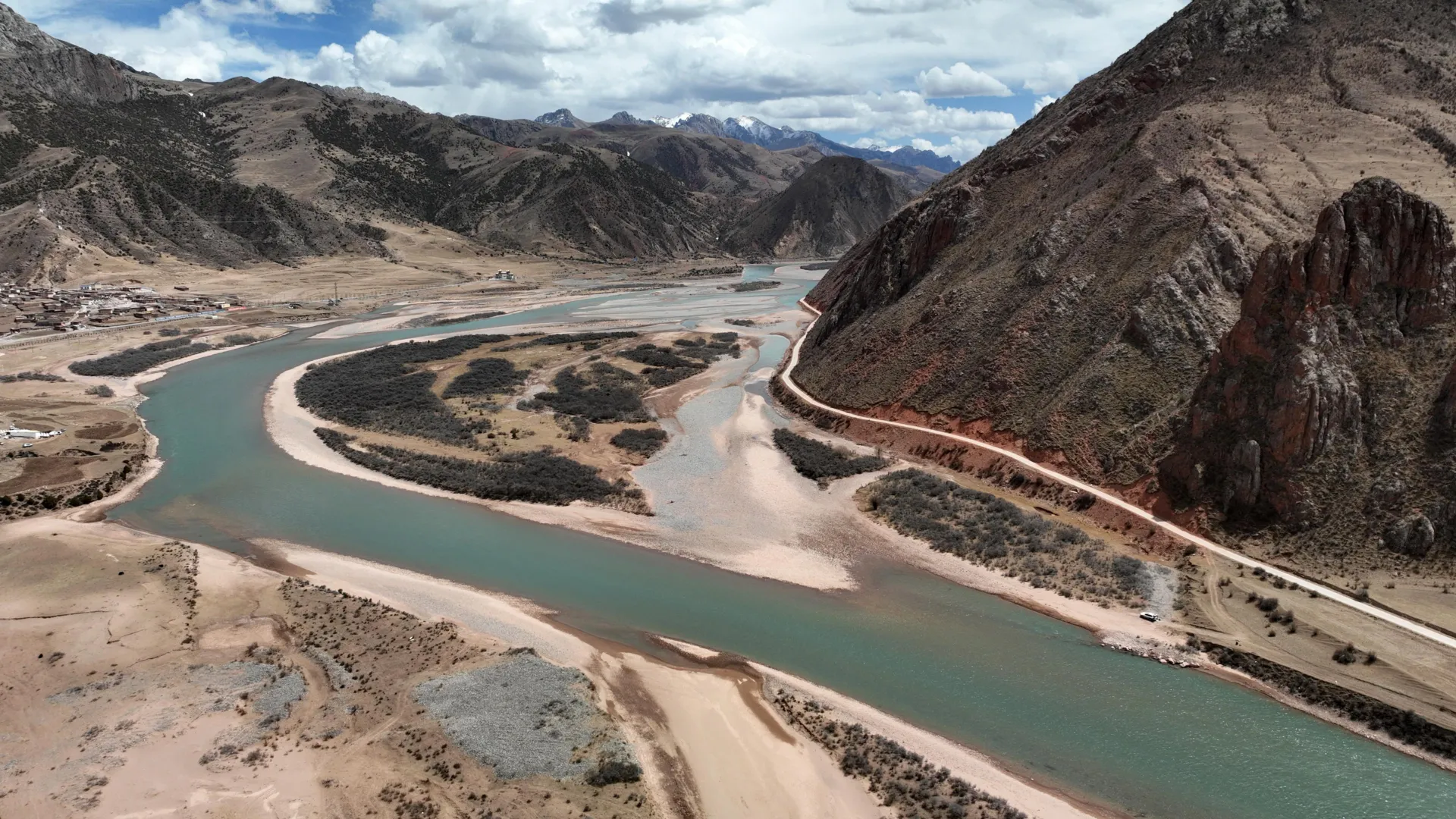
The Climate TRACE database significantly undercounts carbon dioxide emissions from vehicles.
Some researchers argue that the Climate TRACE database, co-founded by Al Gore, is seriously flawed, particularly in its emissions data for vehicles. Others may defend the database's methodology or question the validity of the study's findings.

Nanozymes played a crucial role in the origin of life on Earth.
Some researchers argue that tiny mineral nanoparticles, or nanozymes, were essential in transforming early Earth chemistry into the building blocks of life. Others may contend that this theory lacks sufficient evidence or that alternative explanations for the origin of life are more plausible.

Soil warming significantly contributes to climate change by releasing stable carbon.
Some researchers argue that soil warming poses a serious threat by breaking down stable soil carbon, leading to increased CO2 emissions. Others may contend that the impact of this process is overstated or that other factors play a more significant role in climate change.

The discovery of a secret food source in deep-sea ecosystems challenges existing scientific understanding.
Some scientists argue that the discovery of nutrients being released from sinking organic particles could significantly alter our understanding of deep-sea ecosystems. Others believe that while this finding is intriguing, it may not fundamentally change the established theories about carbon storage and nutrient cycling in the ocean.

Rising sea levels will significantly harm mangrove ecosystems and their carbon storage capacity.
Some argue that rising sea levels will lead to the decline of mangrove forests, resulting in a loss of their carbon storage capabilities. Others believe that mangroves may adapt or migrate in response to changing conditions, potentially mitigating the negative impacts on carbon sequestration.

Nitrogen pollution significantly alters forest soil respiration and carbon storage.
Some researchers argue that nitrogen pollution can enhance forest soil respiration, potentially benefiting carbon storage, while others contend it can hinder these processes, leading to negative impacts on climate change mitigation. The varying effects are believed to depend on the specific conditions of different ecosystems, highlighting the complexity of forest responses to pollution.

Heat pumps remain a viable heating solution in the US despite the end of a key tax credit.
Some argue that the continued strong sales of heat pumps indicate their effectiveness and popularity as a heating solution, while others believe that the loss of tax incentives could hinder their adoption in the future. The discussion revolves around the impact of financial incentives on consumer choices and the overall market for heating technologies.

The new hydrogen-production method will significantly reduce clean fuel costs.
Some believe that the new hydrogen-production method using a perovskite-based catalyst will revolutionize clean fuel generation by making it cheaper and more efficient. Others argue that while the technology is promising, there are still significant challenges to overcome before it can be widely implemented in industrial settings.

Long-term commitment is essential for successful wildlife conservation efforts.
The article discusses the challenges facing Sweden's wolverine conservation program, highlighting issues such as stagnant funding and eroding local trust. Some argue that these factors demonstrate the necessity of sustained efforts in wildlife protection, while others may contend that initial successes should suffice for ongoing conservation. The situation serves as a cautionary tale about the complexities of wildlife management.

The Arctic Ocean has crossed a tipping point that may lead to irreversible ecological damage.
Some scientists argue that the Arctic Ocean has reached a critical tipping point due to the rapid loss of sea ice, leading to a significant decline in nitrate levels essential for marine life. Others may contend that the situation could still be reversible or that the impacts are overstated.
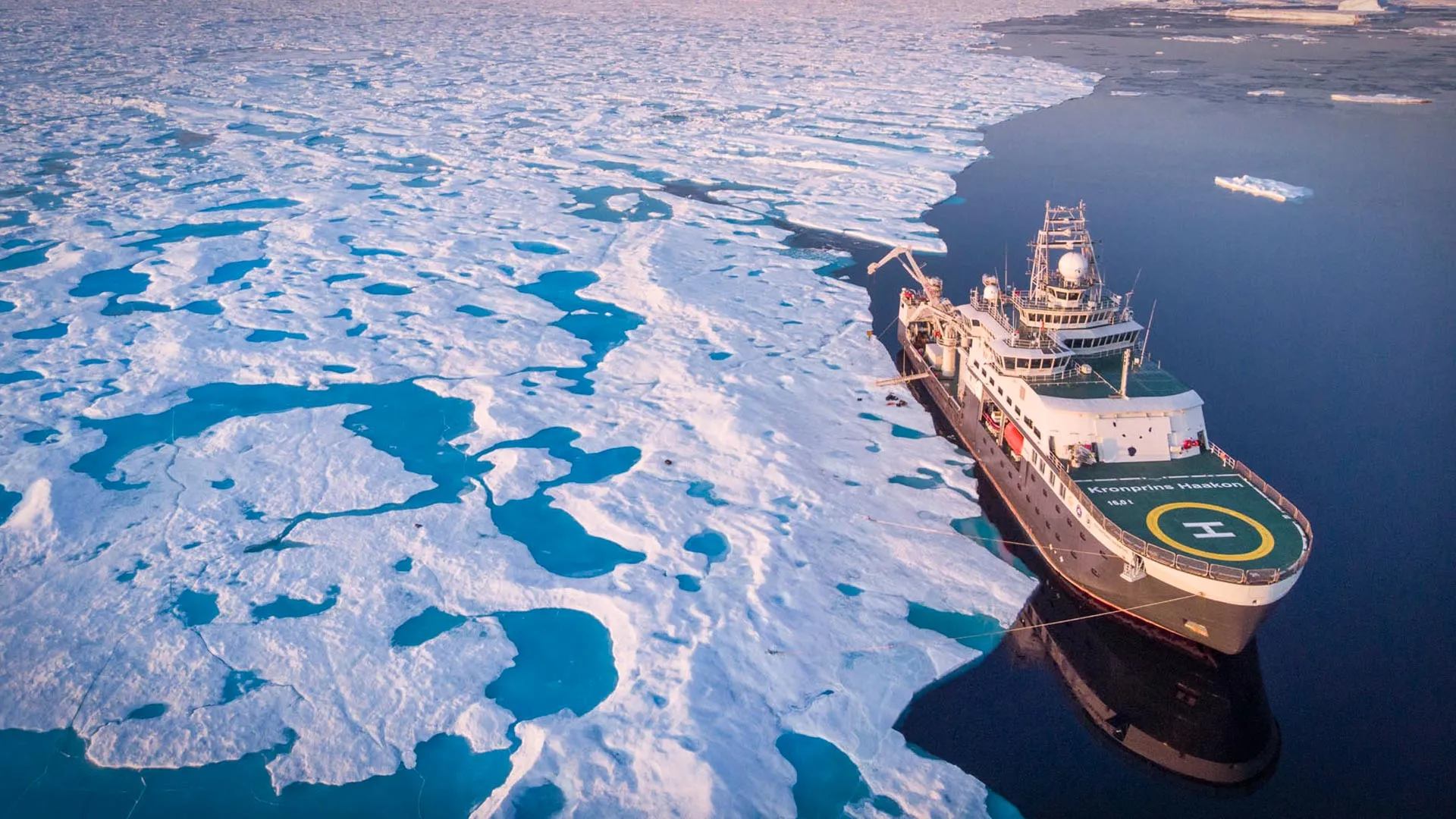
Antarctica's ice sheet reached a climate tipping point one million years ago.
Some researchers argue that Antarctica's ice sheet became significantly more sensitive to temperature and CO2 changes around one million years ago, which could impact its response to current climate change. Others may contest the timing and implications of this tipping point, suggesting that the ice sheet's behavior is more complex than the study indicates.

The asteroid bombardment 800 million years ago significantly impacted Earth's climate and biology.
Some scientists argue that the asteroid bombardment 800 million years ago played a crucial role in shaping Earth's climate and biological evolution. Others contend that the evidence linking the impacts to major changes is not definitive and that other factors may have been more influential during that period.

Humanity has exceeded the Earth's sustainable limits.
Some researchers argue that humanity is currently living beyond the Earth's sustainable capacity, citing over 200 years of data on population and environmental impact. Others may contend that innovation and technological advancements can mitigate resource strain and support a larger population sustainably.

Ancient humans thrived in dense rainforests much earlier than previously believed.
The discovery of ancient human habitation in West African rainforests challenges long-held beliefs about early human survival. Some argue this evidence suggests that humans were more adaptable to diverse environments than previously thought, while others maintain that these findings do not significantly alter the understanding of human evolution and migration patterns.

Governments should implement a carbon tax to effectively combat climate change.
The implementation of a carbon tax by governments raises questions about its potential effectiveness in addressing climate change and its impact on economic and social systems.
Is geoengineering a viable solution to combat climate change?
The viability of geoengineering as a solution to combat climate change involves assessing its potential effectiveness, risks, and ethical implications.
Should individual actions (like reducing plastic use and conserving energy) be prioritized over government regulations in the fight against climate change?
The debate centers on whether individual actions or government regulations should take precedence in addressing climate change.
Should developed countries be obligated to pay reparations to developing nations for climate change damages?
The debate centers on the responsibility of developed nations in addressing the impacts of climate change on developing countries and the implications of financial reparations.