₿ Cryptocurrency & Web3
Coins, protocols, and the policy fights around them.
The approval of onchain perpetual futures by the CFTC undermines existing regulations.
Some argue that the CFTC's approval of onchain perpetual futures represents a necessary innovation in the crypto market, while others believe it diverts from established legal frameworks and could lead to regulatory chaos. The conflict between the CME and CFTC highlights differing views on the future of cryptocurrency regulation.

UK banks should provide better access to accounts for crypto businesses.
The UK Parliament is investigating the practices of banks that deny accounts to crypto firms or impose limitations on their transactions. Some argue that this creates unnecessary barriers for the crypto industry, while others believe that such restrictions are necessary for financial stability and regulatory compliance.

Cardano's community governance model is superior to traditional corporate governance.
The recent Van Rossem hard fork of Cardano marks a shift to community-driven governance, raising questions about its effectiveness. Some believe this model empowers users and enhances decentralization, while others argue that it may lead to inefficiencies or conflicts within the community.

Tokenized stocks will revolutionize global equity markets.
Some believe that the expansion of tokenized stocks to markets like Hong Kong, the UK, and South Korea will enhance accessibility and liquidity in global equity trading. Others argue that this innovation may introduce regulatory challenges and risks that could undermine traditional market structures.

The survival of regional crypto exchanges is threatened by new regulations and declining day trader activity.
Some argue that new regulations are necessary for the long-term stability of the crypto market, while others believe these regulations disproportionately harm smaller exchanges. Additionally, the decline in day traders raises concerns about the viability of these platforms. The future landscape of crypto exchanges may favor larger entities at the expense of regional players.

Cardano needs a structured governance forum to improve decision-making and reduce dysfunction.
Some argue that a structured governance forum proposed by Charles Hoskinson could enhance decision-making and reduce dysfunction within Cardano's ecosystem. Others contend that this approach risks centralizing power and undermining the principles of decentralization, raising concerns about who controls the forum and its rules. The debate centers on whether such a gated forum is a necessary improvement or a threat to democratic governance.
The use of AI to test blockchain software is beneficial for network security.
Some argue that employing AI to identify vulnerabilities in blockchain software enhances security and reliability. Others contend that the findings may include false positives, which could lead to unnecessary concerns or misinterpretations about the software's stability.

Ripple's decision to fight the lawsuit instead of shutting down was the right choice.
Some argue that Ripple's decision to continue fighting the lawsuit was necessary for the company's future and for XRP's value, while others believe that shutting down and returning XRP to shareholders might have been a more prudent choice given the legal challenges faced.

Geopolitical tensions significantly impact cryptocurrency markets.
Some argue that geopolitical tensions, such as those between the U.S. and Iran, have a direct negative effect on cryptocurrency prices. Others believe that market fluctuations are influenced more by internal factors within the crypto market rather than external geopolitical events.
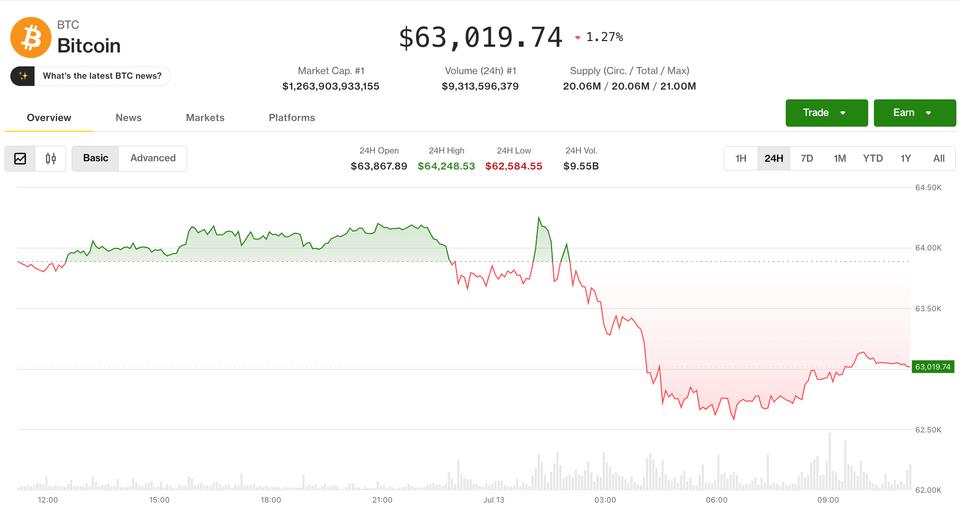
Bitcoin's value is significantly influenced by geopolitical events and economic indicators.
Some argue that geopolitical tensions and economic indicators like inflation directly impact Bitcoin's market value, while others believe that Bitcoin's price is primarily driven by market speculation and investor sentiment, independent of such events.

Solo Bitcoin mining can be profitable with minimal investment.
Some argue that solo Bitcoin mining is a viable way to earn significant profits with low-cost equipment, as demonstrated by a recent case. Others contend that the increasing difficulty of mining and competition makes it unlikely for most individuals to achieve similar success without substantial investment and resources.

The x402 payment protocol represents a significant advancement in digital payment systems.
Some believe that the x402 payment protocol, backed by major companies including Ripple and card giants, marks a crucial step forward in digital payments. Others argue that the low transaction volume of $24 million across 75 million payments raises questions about its effectiveness and adoption potential.

Hardware wallets are ineffective for securing cryptocurrency.
Some argue that hardware wallets are essential for securely storing cryptocurrency, while others, like ZachXBT, claim they are ineffective and refer to them as 'complete garbage.' The discussion centers around the reliability and security of these devices in protecting digital assets.

Clemency should not be granted to FTX founder Sam Bankman-Fried.
Some believe that granting clemency to Sam Bankman-Fried would undermine accountability for financial misconduct, while others argue that clemency could be justified under certain circumstances. The U.S. Senate's unanimous resolution against clemency reflects a strong political stance on the issue. The context of recent pardons for other crypto figures adds complexity to the debate.

Investing in ether straddles is a sound strategy for profiting from market volatility.
Some investors believe that ether straddles can effectively capitalize on market chaos and volatility, presenting a lucrative opportunity. Others argue that such strategies are risky and may not yield the expected returns, especially in unpredictable markets.

The introduction of Dog Mode for Bitcoin clients could enhance data capacity without consensus changes.
Some believe that the Dog Mode client could effectively increase Bitcoin's data capacity without needing a consensus change, while others argue that it may undermine existing protocols and create fragmentation within the network.

The rise of stablecoins will significantly impact cross-border remittance markets.
Some argue that the mainstream adoption of stablecoins will revolutionize cross-border remittance by providing faster and cheaper transactions. Others believe that the impending regulations could hinder their growth and limit their effectiveness in the remittance market.

The development of quantum-resistant tools for Bitcoin is essential for its future security.
Some argue that advancements in quantum computing pose a significant threat to Bitcoin's security, necessitating the development of quantum-resistant tools. Others believe that the current security measures are sufficient and that the focus should be on other aspects of Bitcoin's ecosystem.
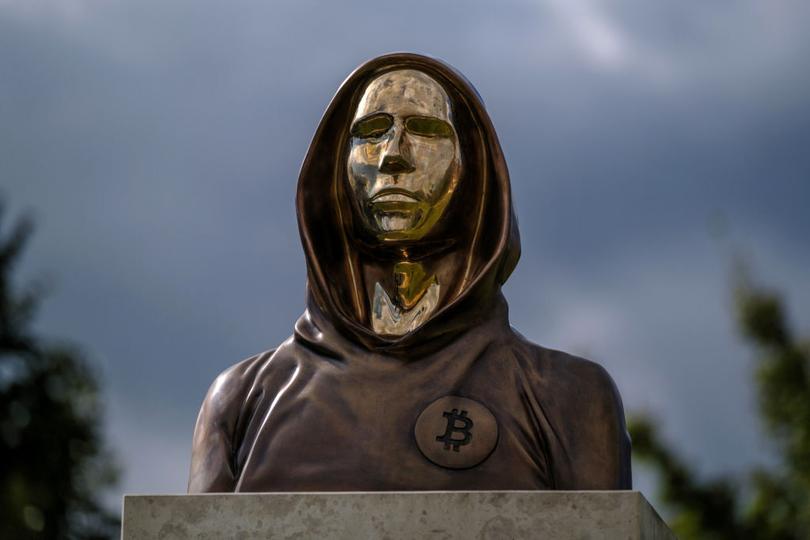
Zcash's new node technology will successfully achieve Visa-scale privacy and transaction speeds.
Some believe that Zcash's new Zakura client will revolutionize privacy in digital transactions by achieving high speeds and maintaining user confidentiality. Others argue that reaching Visa-scale performance and privacy is overly ambitious and may not be feasible given current technological limitations.

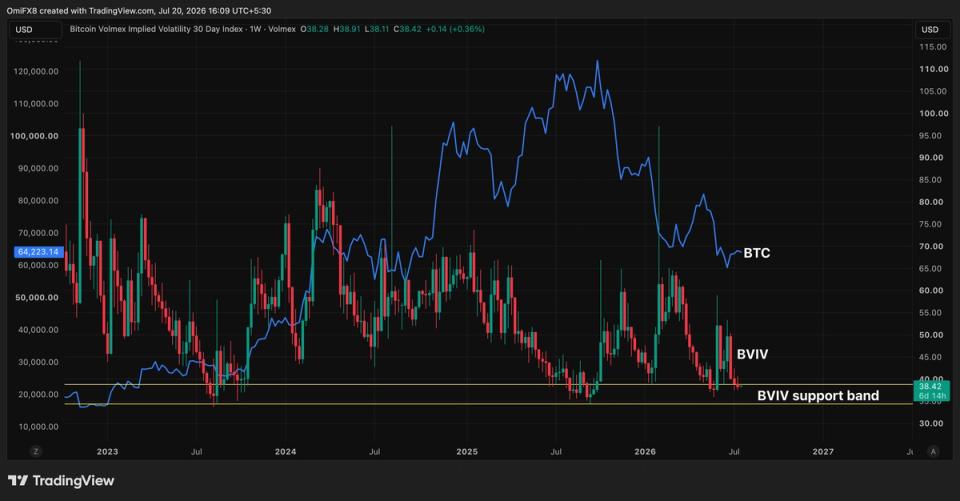
Bitcoin price volatility is likely to increase based on key indicators.
Some analysts believe that Bitcoin's price volatility is set to surge due to certain key indicators, suggesting potential market shifts. Others argue that these indicators may not reliably predict future volatility, emphasizing the unpredictable nature of cryptocurrency markets.
Decentralized prediction markets will enhance the efficiency of market forecasting.
Some believe that introducing decentralized prediction markets will significantly improve the accuracy and accessibility of market forecasts, while others argue that these markets could lead to increased speculation and potential manipulation. The effectiveness and ethical implications of such systems remain contested.

Should governments adopt central bank digital currencies (CBDCs)?
The adoption of central bank digital currencies (CBDCs) by governments raises important considerations regarding economic stability, privacy, and the future of financial systems.
Non-Fungible Tokens (NFTs) Should Be Regulated as Securities
The debate surrounding the regulation of non-fungible tokens (NFTs) as securities involves considerations of market integrity, consumer protection, and the evolving nature of digital assets.
Are Decentralized Autonomous Organizations (DAOs) a viable alternative to traditional business structures?
The viability of Decentralized Autonomous Organizations (DAOs) as an alternative to traditional business structures involves considerations of governance, efficiency, and regulatory implications.
Bitcoin
The debate surrounding Bitcoin involves its potential impact on financial systems, regulatory frameworks, and economic stability.