Is the Great Wall of China visible from space with the naked eye?
A staple of trivia and old textbooks — but can astronauts actually pick it out unaided?
Monitoring space junk with radio telescopes is an effective solution.
Some scientists argue that using radio telescopes to monitor space debris is a groundbreaking and effective approach to managing the growing problem of space junk. Others contend that this method may not be sufficient alone and advocate for additional strategies to address the issue comprehensively.

AI should not be fully trusted in the search for alien life.
Some scientists argue that AI's ability to misidentify non-life as life raises concerns about its reliability in the search for extraterrestrial life. Others believe that AI can still be a valuable tool in this research, despite its limitations.

The Artemis II mission highlights the importance of shared humanity in space exploration.
Some argue that the Artemis II mission serves as a powerful reminder of our collective human experience and aspirations in space. Others may contend that the focus on shared humanity overshadows the technical and scientific achievements of the mission.

The discovery of metal spheres in Australia highlights gaps in our understanding of space debris.
Some experts argue that the recent discovery of metal spheres in Australia underscores significant knowledge gaps regarding space debris and its behavior. Others may contend that advancements in technology and research are gradually improving our understanding of such phenomena.

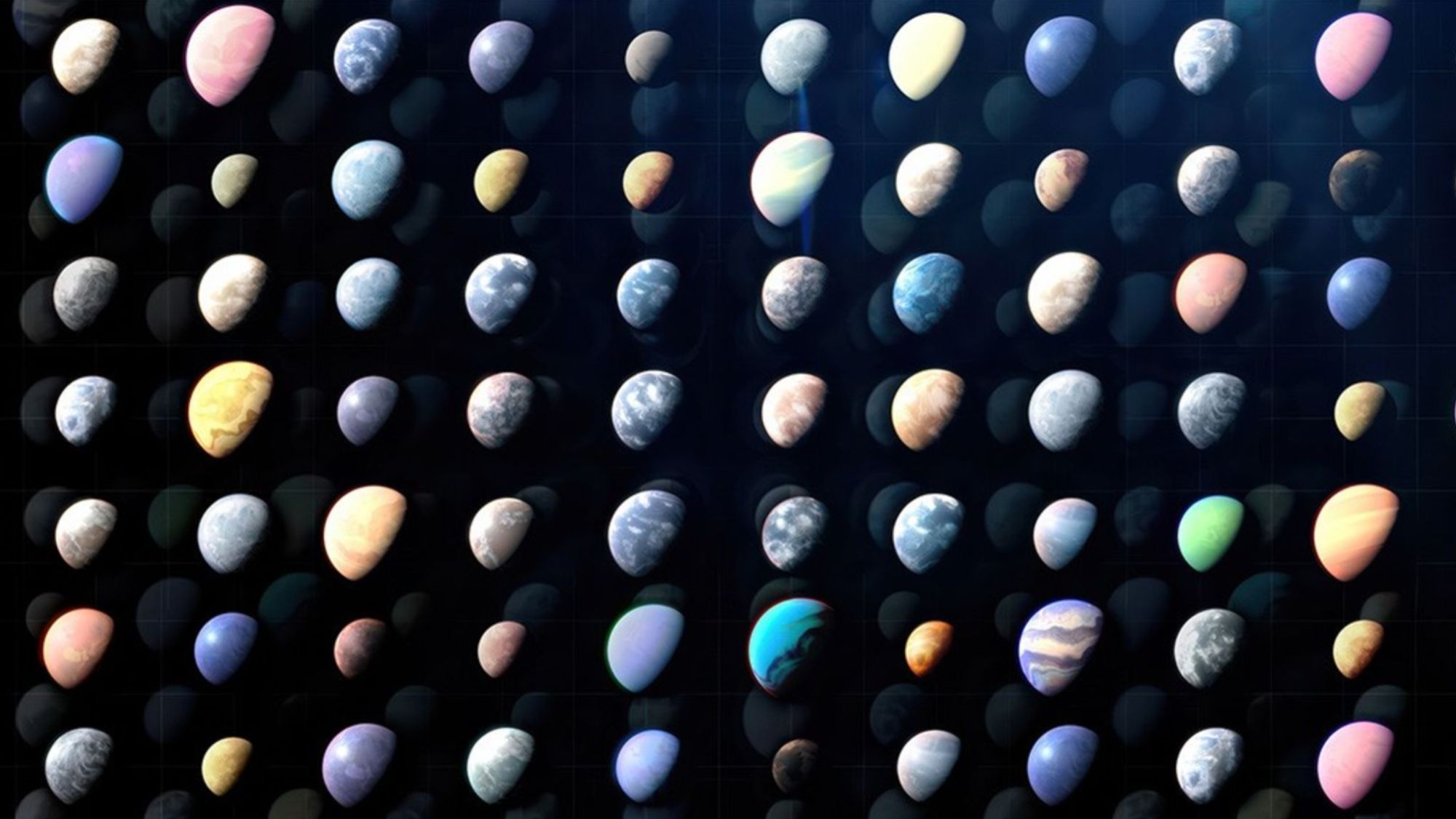
Alien life likely exists on small exoplanets with atmospheres.
Some scientists argue that the discovery of small exoplanets with atmospheres increases the likelihood of finding alien life. Others contend that the conditions necessary for life may not be met even on such planets, questioning the validity of these claims.
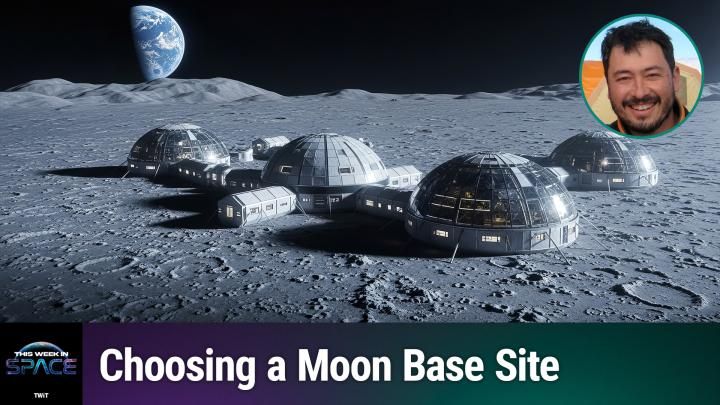
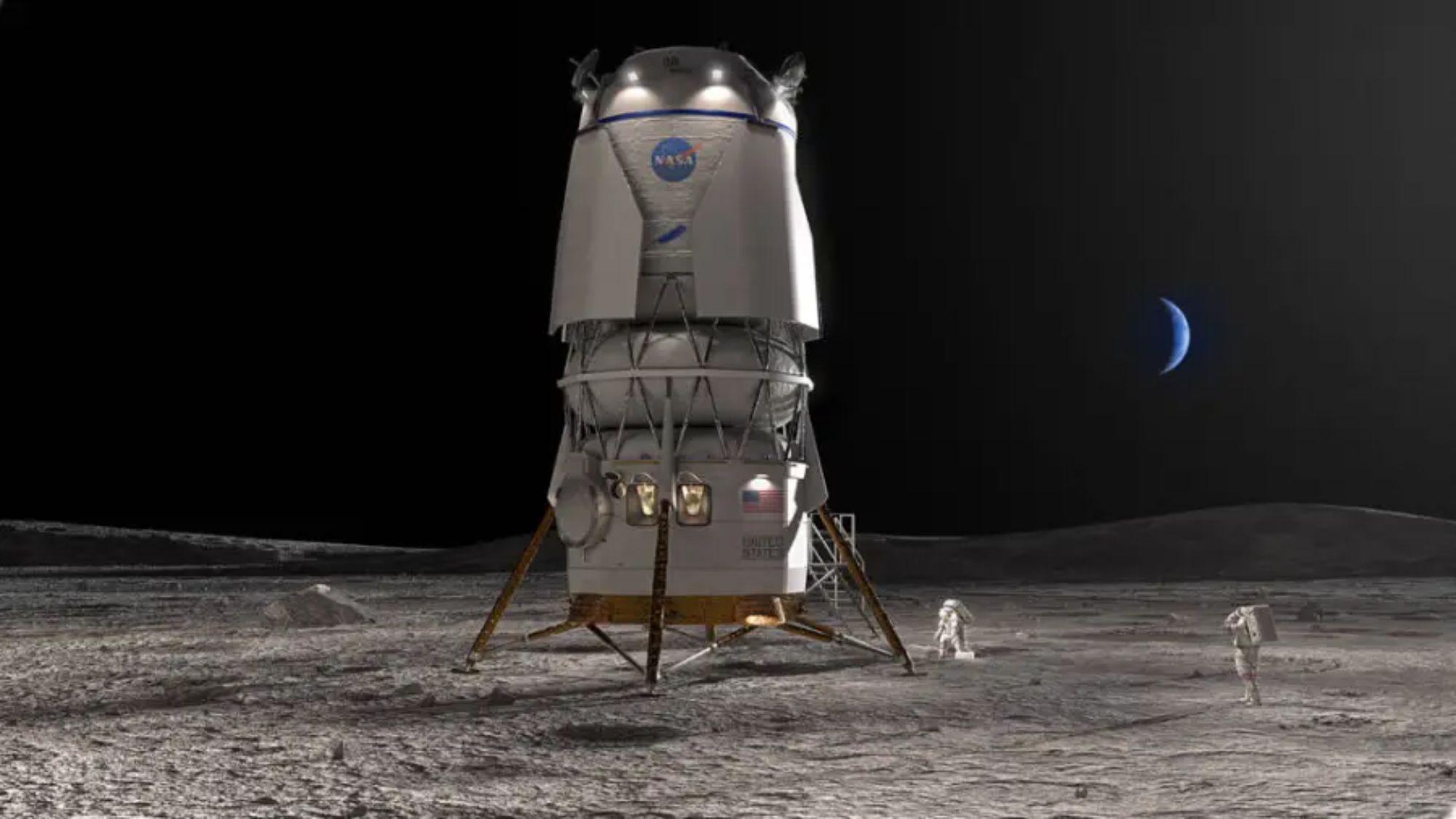
Establishing a moonbase is essential for future space exploration.
Some argue that creating a moonbase is crucial for advancing human presence in space and facilitating further exploration, while others believe the resources and efforts could be better allocated to other priorities in space science and technology.
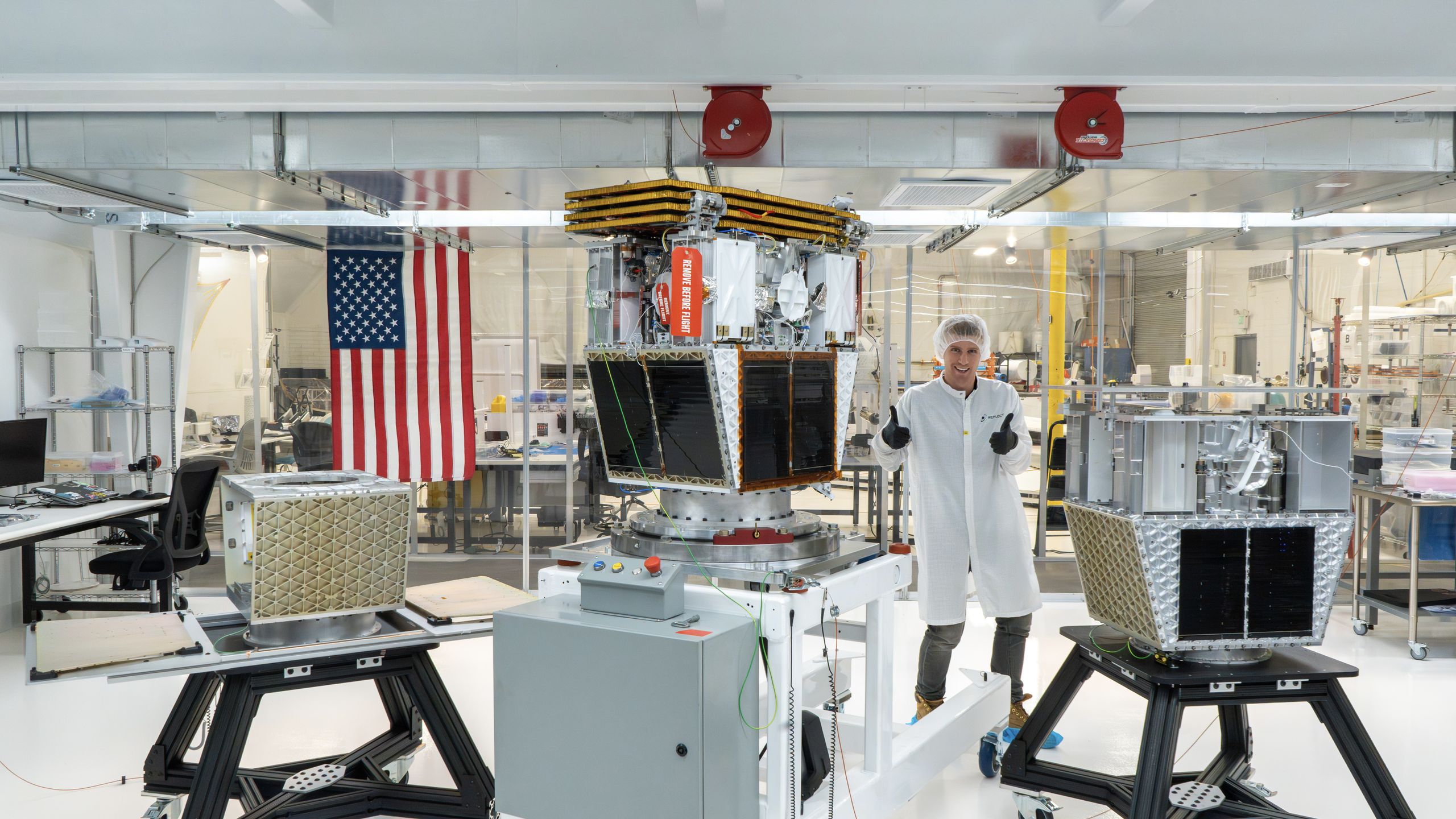
Sci-fi action movies were better in the past than they are today.
Some argue that sci-fi action movies from previous decades had more originality and creativity, while others believe modern films benefit from advanced technology and storytelling techniques. The evolution of the genre is contested, with differing opinions on quality and impact.

The study of UFOs should be prioritized by government agencies.
Some argue that the investigation of UFOs is essential for national security and scientific discovery, while others believe it distracts from more pressing issues. The appointment of Avi Loeb has sparked discussions about the legitimacy and importance of studying unidentified phenomena. Opinions vary on whether such studies should receive government funding and attention.

The behavior of nearby black holes can provide insights into the early universe.
Some scientists argue that studying a nearby feeding black hole can reveal important information about the conditions of the early universe. Others believe that the behaviors of such black holes may not accurately reflect the cosmic titans from the time just after the Big Bang.

The launch of space mirrors for solar energy collection is a beneficial advancement.
Some argue that launching space mirrors could significantly enhance solar energy collection and address energy shortages. Others raise concerns about the environmental impact and the potential for space debris from such large-scale projects.
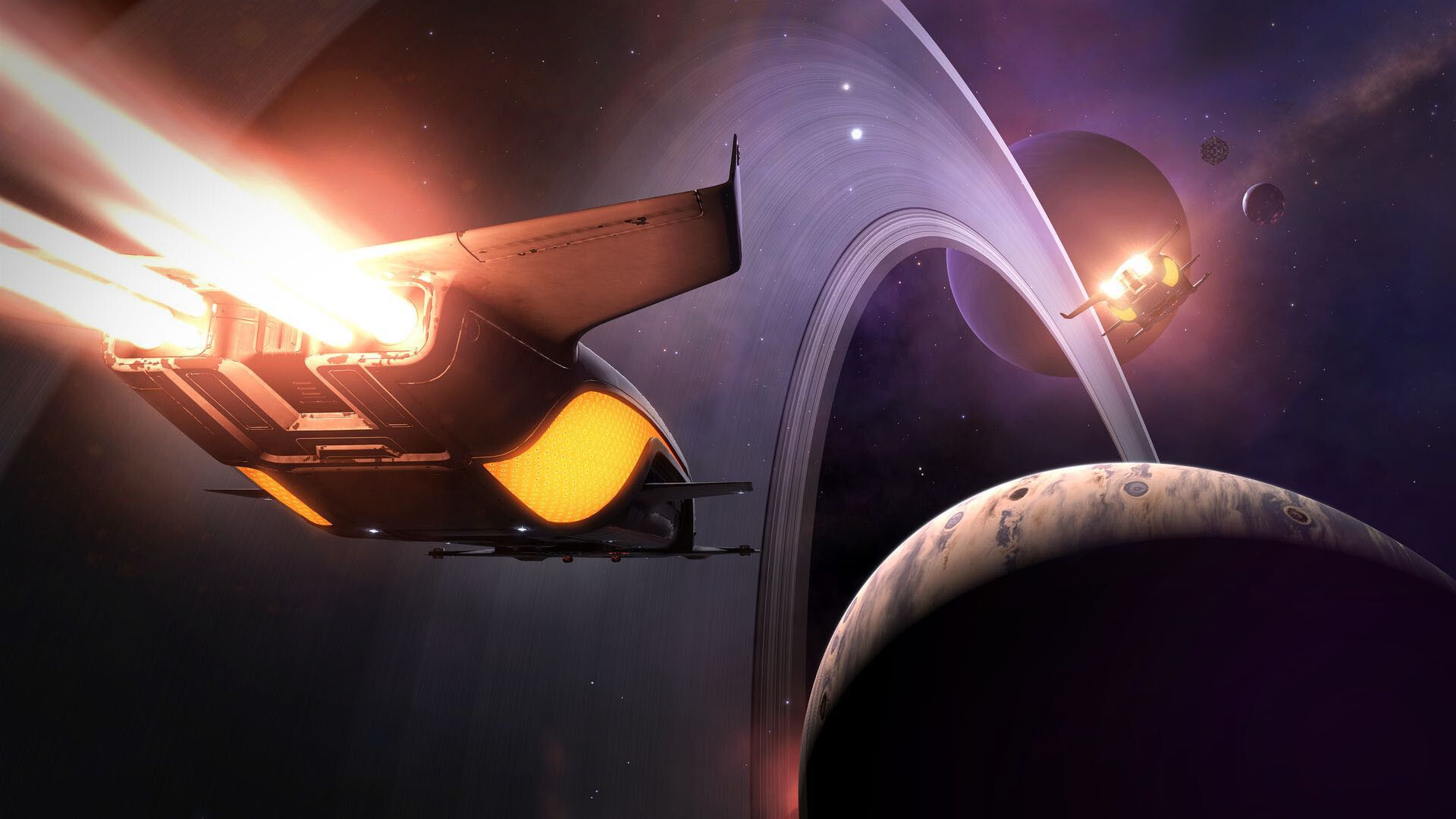
Space games often fail to accurately represent the vast scale of the universe.
Some argue that space games do not effectively convey the immense scale of the universe, leading to a lack of immersion. Others believe that the limitations of technology and design choices make it challenging to represent such vastness accurately. This debate touches on the balance between gameplay mechanics and realistic portrayals of space.
Moon landings could jeopardize the search for evidence of extraterrestrial life.
Some argue that landing spacecraft on the moon risks contaminating ancient evidence that could provide insights into the origins of life on Earth. Others believe that the benefits of lunar exploration outweigh the potential risks to such evidence.
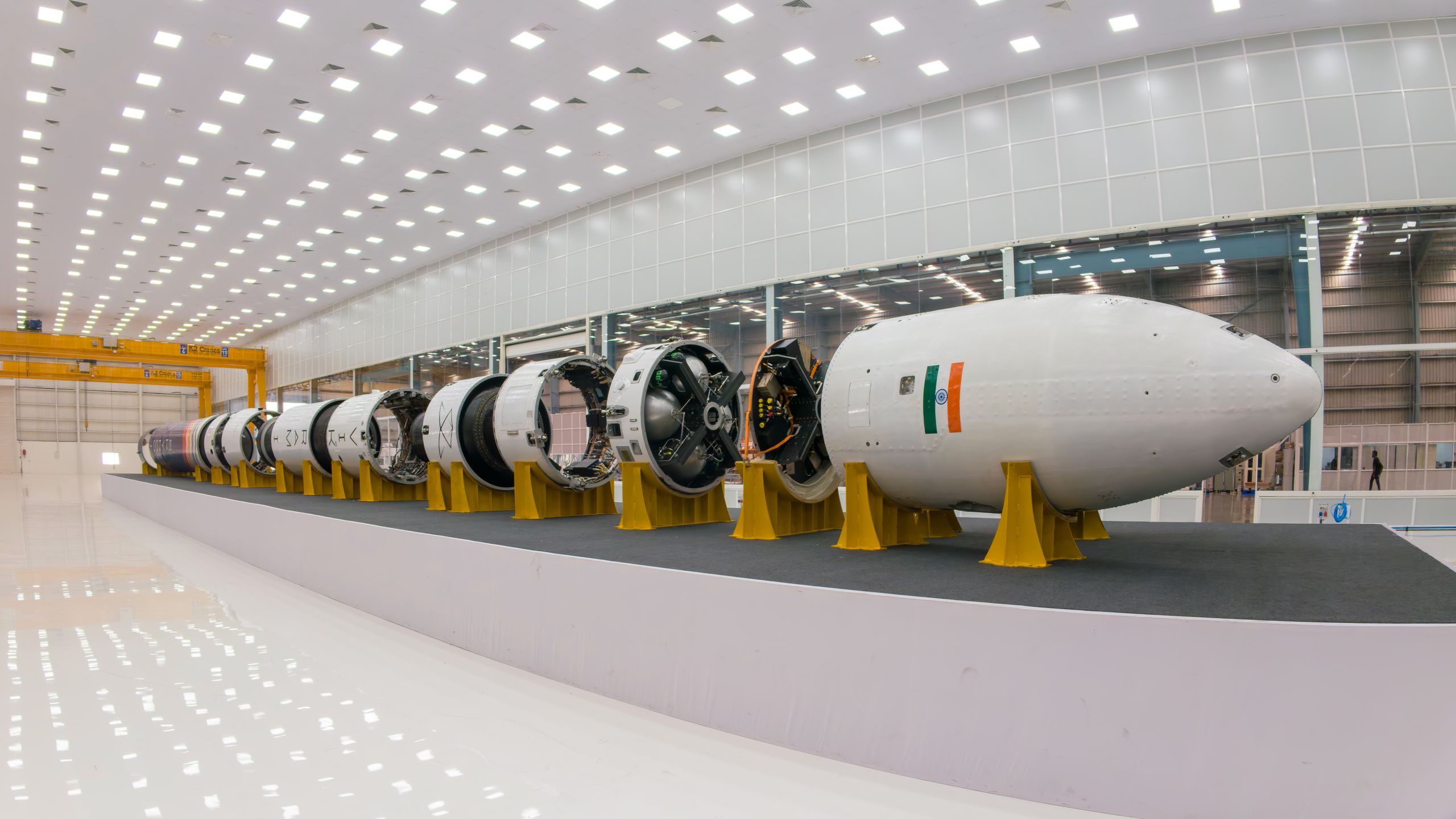
Skyroot Aerospace's Vikram-1 rocket will significantly impact India's space industry.
Some believe that the Vikram-1 rocket will revolutionize India's space capabilities and foster innovation in the industry. Others argue that the challenges of competition and technological hurdles may limit its success and impact.
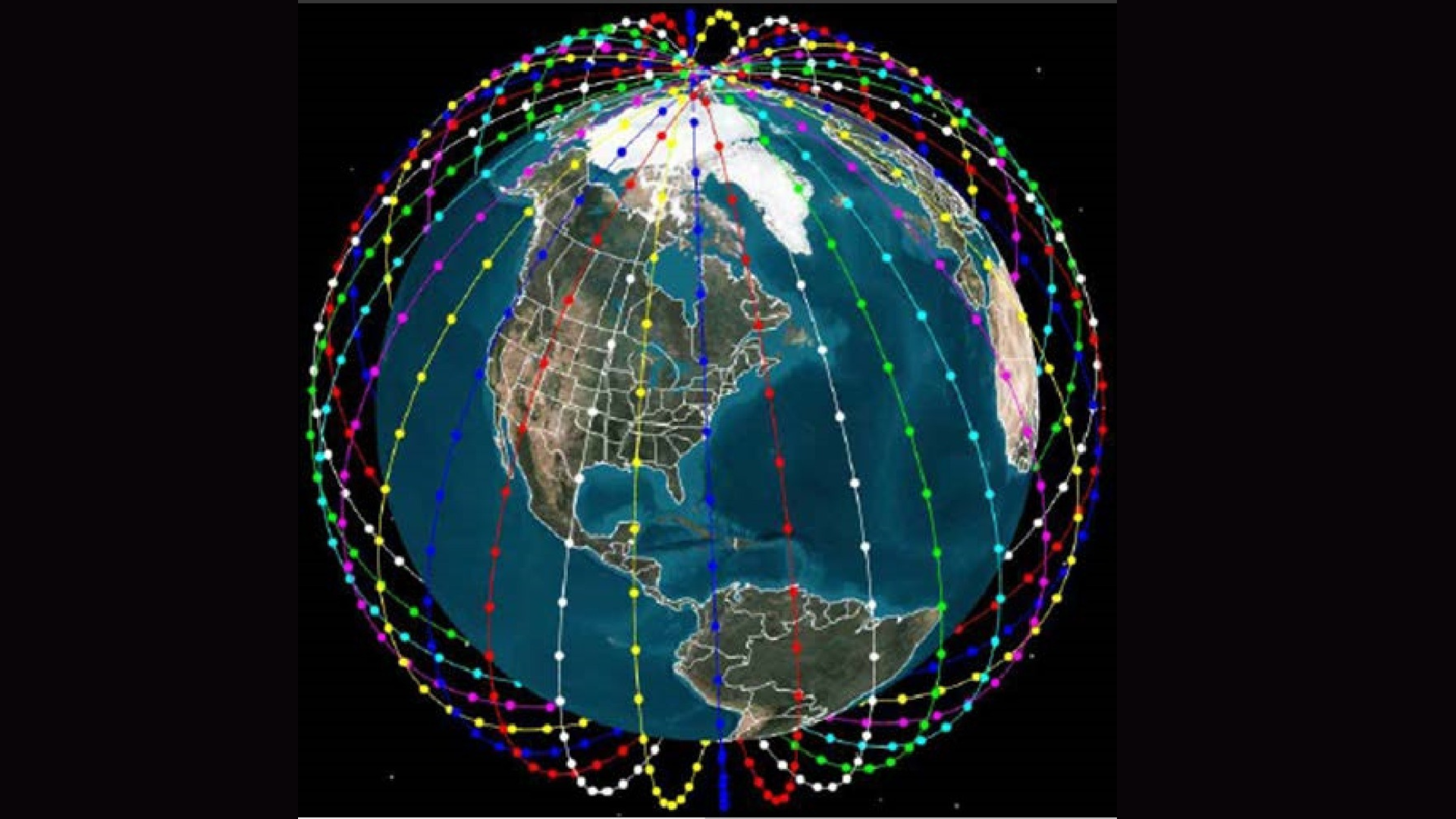
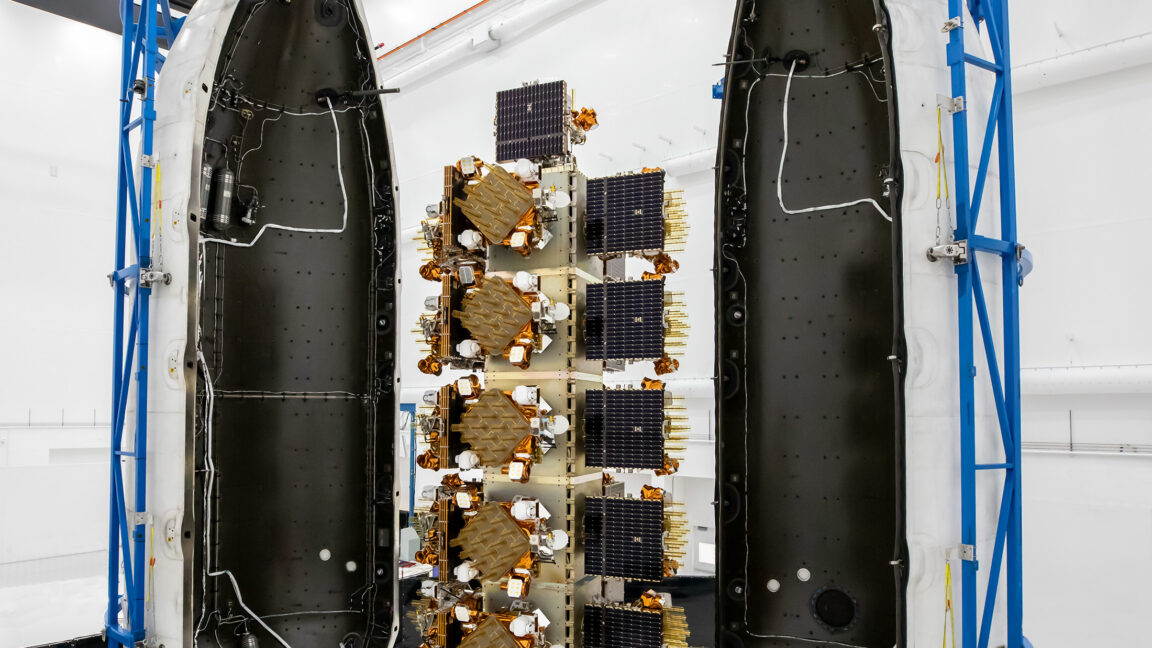
The launch of 100,000 Starlink satellites by SpaceX is beneficial for global internet access.
Some argue that launching 100,000 Starlink satellites will significantly improve global internet access, especially in underserved areas. Others express concerns about space debris, potential environmental impacts, and the monopolization of satellite internet services.

Space-based data centers should undergo federal environmental reviews.
There is a growing call from environmental and scientific organizations for federal environmental reviews of space-based data center projects. Some argue that these reviews are necessary to assess potential environmental impacts, while others believe that the current regulations are sufficient and that such reviews could hinder technological advancement.
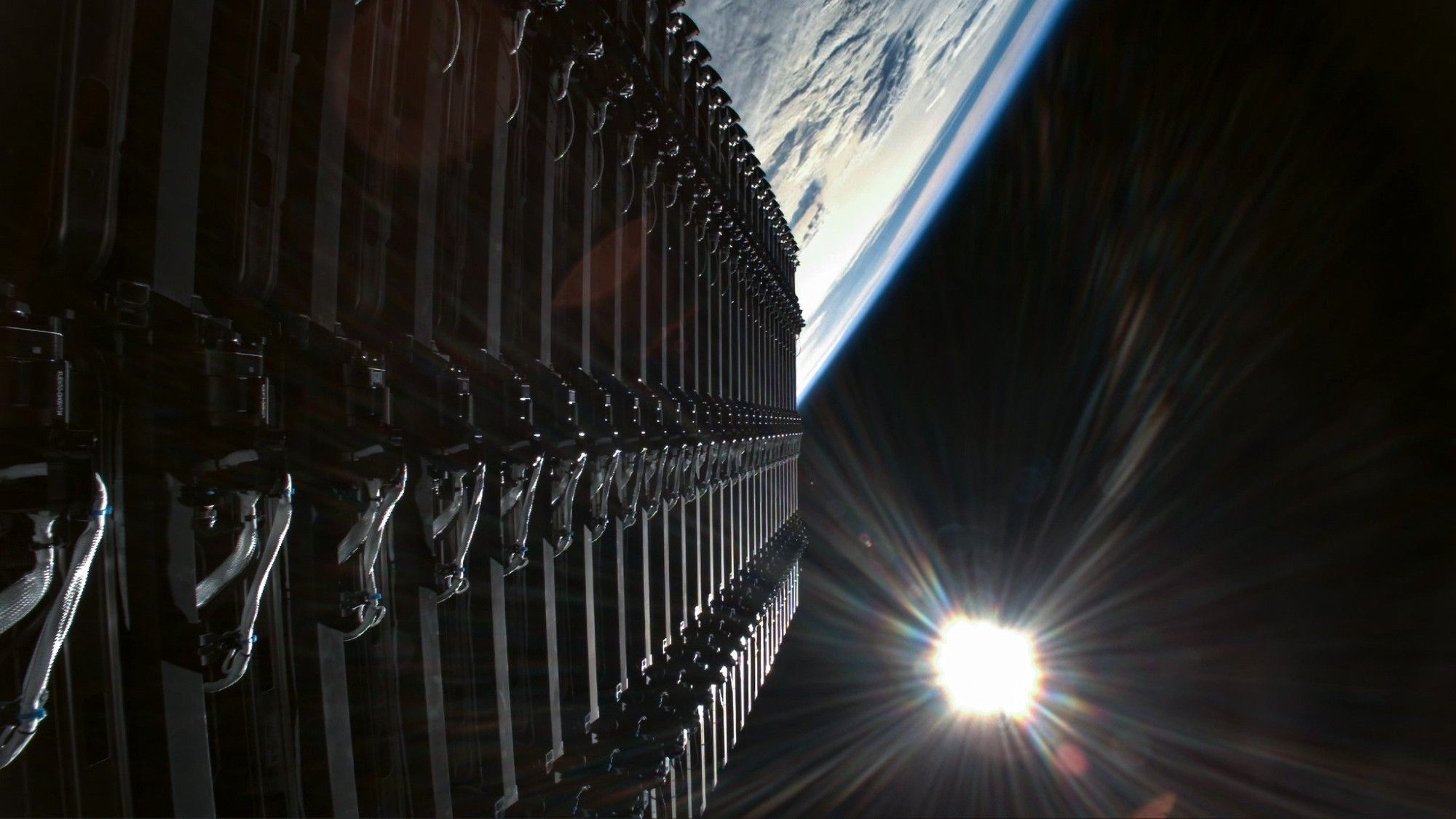
The increasing number of Starlink satellites poses significant collision risks in space.
Some experts argue that the growing number of SpaceX Starlink satellites leads to frequent collision avoidance maneuvers, raising concerns about space debris and safety. Others believe that the benefits of global internet coverage outweigh the risks associated with satellite congestion.
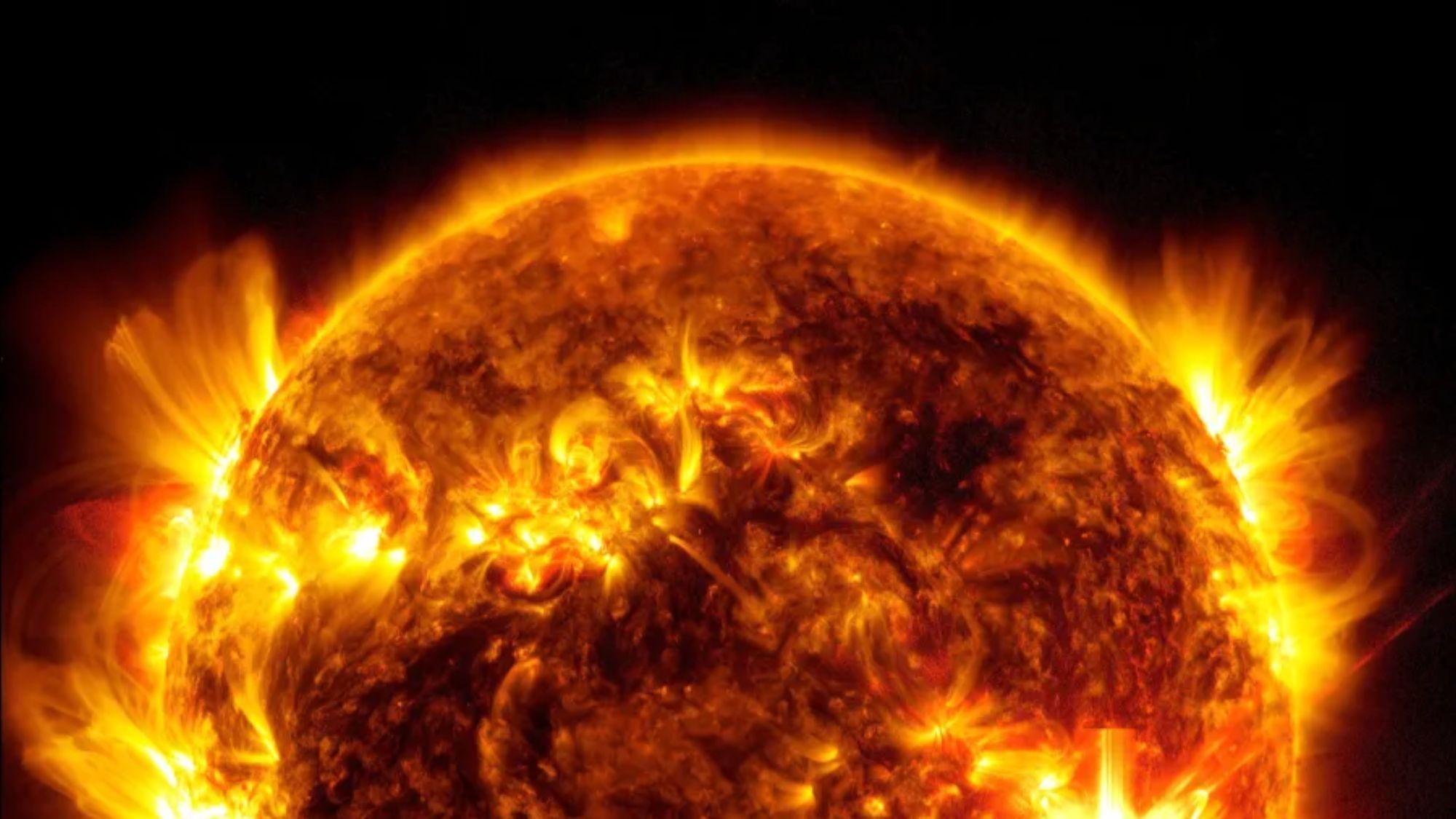
The threat of extreme solar storms to Earth is underestimated.
Some experts argue that the potential impacts of extreme solar storms on technology and infrastructure are more severe than previously acknowledged. Others believe that current assessments adequately account for these risks and that the likelihood of such storms causing significant damage is low.
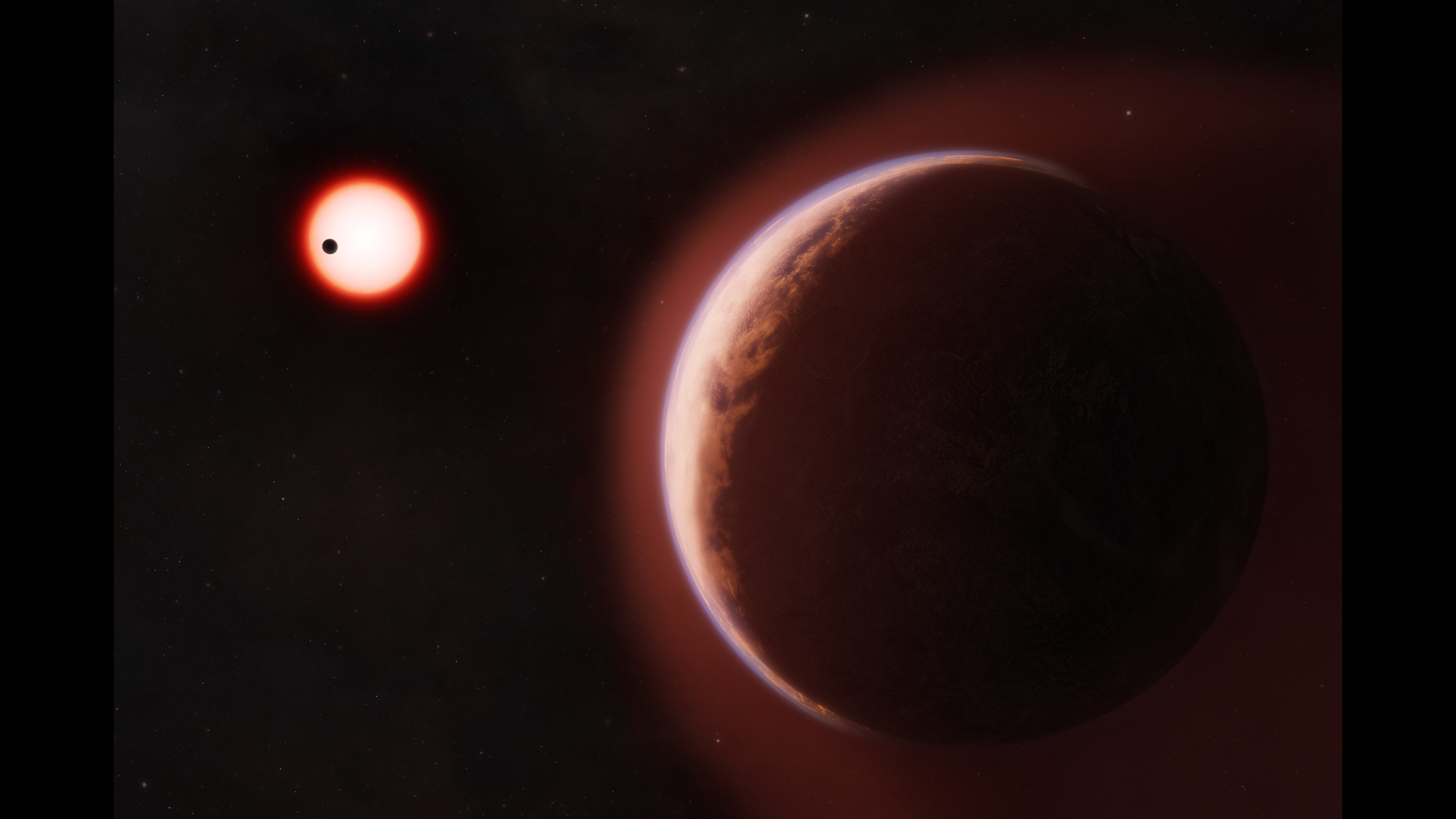
The discovery of an atmosphere around a rocky Earth-like planet in the habitable zone has significant implications for astrobiology.
Some argue that the discovery of an atmosphere on an Earth-like planet enhances the possibility of finding extraterrestrial life, while others contend that more evidence is needed to draw definitive conclusions about habitability. The implications for astrobiology and the search for life beyond Earth are hotly debated among scientists.
The Pentagon's Space Development Agency needs to accelerate its operations.
Some argue that the Pentagon's Space Development Agency is not moving quickly enough to address urgent military needs, especially in light of ongoing operations like Epic Fury. Others believe that the agency is making appropriate progress given the complexities of space development and military integration.
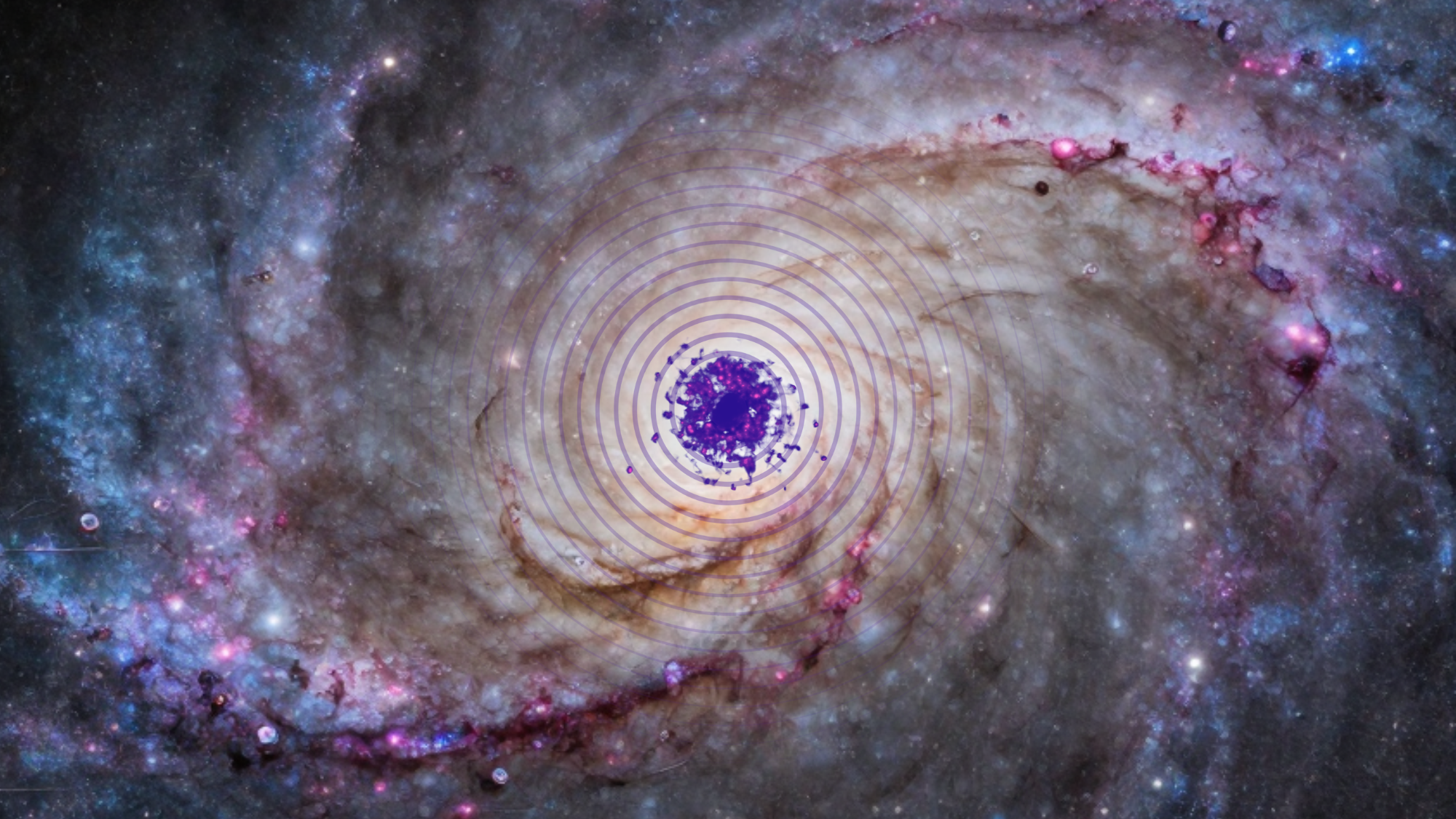
Understanding dark matter is essential for advancing human knowledge in physics and cosmology.
Some argue that understanding dark matter is crucial for making significant advancements in physics and cosmology, while others believe that the focus on dark matter may detract from other important areas of research. The implications of dark matter research could reshape our understanding of the universe, but there are differing opinions on its priority and significance.
Should the use of private companies in space exploration be encouraged over government-led missions?
The debate centers around the implications of prioritizing private companies versus government-led missions in the advancement of space exploration.
Should Asteroid Mining Be Developed as a New Frontier in Space Exploration?
The potential development of asteroid mining raises questions about resource allocation, technological advancement, and the implications for space exploration and economic growth.
Is the Search for Extraterrestrial Life Worth the Investment of Resources?
The debate centers on the allocation of resources toward the search for extraterrestrial life and the potential benefits or drawbacks of such an investment.
Human Colonization of Mars Should Be Prioritized Over Earthly Challenges
The debate centers on the potential benefits and drawbacks of prioritizing human colonization of Mars in relation to addressing existing challenges on Earth.